
Omega-3 Triglycerides: Cardiovascular Protection, Arterial Elasticity & Bioavailability
Beyond general heart health claims: the molecular biochemistry distinguishing re-esterified triglycerides (rTG) from synthetic ethyl esters (EE), endothelial nitric oxide production, and the clinical Omega-3 Index benchmark.
By Sarah Lin • Medically Reviewed by Marcus Vance, MD
Published: April 10, 2026 • Updated: November 2026 • 9 min read
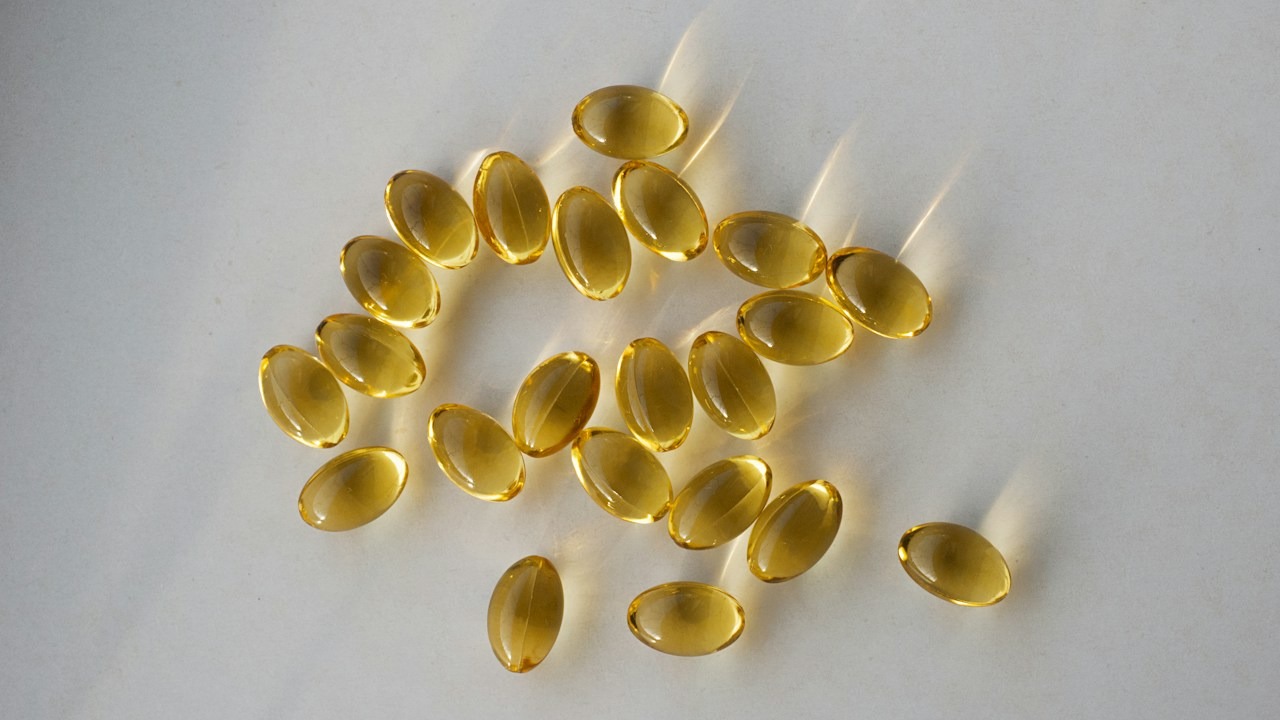
1. The Biological Role of Marine Polyunsaturated Fatty Acids
Long-chain omega-3 polyunsaturated fatty acids (PUFAs)—predominantly Eicosapentaenoic Acid (EPA, 20:5n-3) and Docosahexaenoic Acid (DHA, 22:6n-3)—are fundamental structural constituents of phospholipid cell membranes throughout the human vascular endothelium, myocardium, and cerebral cortex.
Unlike plant-derived alpha-linolenic acid (ALA, 18:3n-3) found in flaxseeds and chia—which suffers from an extremely poor human enzymatic conversion rate of less than 5% to EPA and under 0.5% to DHA—preformed marine EPA and DHA integrate directly into cellular membranes. Once incorporated, they displace pro-inflammatory arachidonic acid (AA, 20:4n-6), altering the substrate pool for cyclooxygenase (COX) and lipoxygenase (LOX) enzymes. This shift reduces the production of inflammatory 4-series leukotrienes and 2-series prostaglandins while elevating specialized pro-resolving mediators (SPMs) such as resolvins, protectins, and maresins.
2. Re-Esterified Triglycerides (rTG) vs. Ethyl Esters (EE)
The chemical structure of an omega-3 supplement dictates its enteric digestion, pancreatic lipase cleavage, and overall plasma absorption:
Re-Esterified Triglyceride Form (rTG)
The natural molecular architecture of marine fatty acids bound to a glycerol backbone. Pancreatic lipases recognize and hydrolyze rTG lipids rapidly, achieving up to 70% higher bioavailability and significantly greater red blood cell membrane incorporation compared to ethyl esters, with or without a high-fat meal.
Synthetic Ethyl Ester Form (EE)
Produced by transesterifying fatty acids with ethanol during industrial distillation. Ethyl esters require pancreatic carboxyl ester lipase for cleavage, resulting in sluggish enteric uptake that is heavily fat-dependent. Consuming EE capsules on an empty stomach often leads to incomplete absorption and gastrointestinal reflux.
3. Endothelial Elasticity & Nitric Oxide Dynamics
Arterial stiffness is an independent predictor of major adverse cardiovascular events (MACE). The arterial endothelium maintains vascular tone through the continuous basal release of Nitric Oxide (NO), synthesized by the endothelial nitric oxide synthase (eNOS) enzyme.
High cellular concentrations of EPA stimulate eNOS phosphorylation and prevent its uncoupling (a state where eNOS paradoxically generates superoxide radicals instead of protective nitric oxide). In randomized clinical trials, sustained supplementation with pure EPA (as demonstrated in the REDUCE-IT trial at 4g daily) significantly improved flow-mediated dilation (FMD) of the brachial artery, reduced circulating C-reactive protein (hs-CRP), and stabilized vulnerable atherosclerotic plaque fibrous caps.
4. Quality Standards: The TOTOX Oxidation Index
Because omega-3 fatty acids possess multiple double bonds, they are acutely susceptible to lipid peroxidation when exposed to atmospheric oxygen, heat, and ultraviolet radiation. Ingesting oxidized rancid fish oil triggers oxidative stress and cellular inflammation.
Consumers should demand compliance with the Global Organization for EPA and DHA Omega-3 (GOED) monograph standards, which limit the Total Oxidation Value (TOTOX = 2 × PV + AV):
- Peroxide Value (PV): Maximum 5 meq/kg.
- Anisidine Value (AV): Maximum 20.
- TOTOX Limit: Maximum 26 (elite pharmaceutical-grade distillates maintain TOTOX < 10).
- Heavy Metal Safeguards: Independent ICP-MS testing verifying lead, cadmium, mercury, and arsenic below 0.1 ppm.
Clinical Companion Guides & Cellular Protocols
Endothelial elasticity and vascular balance require a multi-faceted nutritional foundation. Our clinical editorial desk recommends integrating these companion cardiovascular interventions:
Magnesium & Arterial Vasodilation Bioavailability
How adequate cellular magnesium maintains vascular smooth muscle tone and protects arterial compliance.
CoreVital Burn Clinical Review (Dr. Samir Bute, MD)
Independent evaluation of 500mg Berberine HCl, Ceylon Cinnamon, and Milk Thistle for metabolic and lipid profile support.
The 28-Day Clean Arteries & Endothelial Protocol™
Evidence-backed nutritional protocols addressing vascular micro-calcification and endothelial nitric oxide recovery.
The 9-Minute Arterial Elasticity Protocol™
Targeted daily nitric-oxide breathwork routines and isometric arterial exercises for healthy vascular tone.
Primary Scientific Citations (PubMed & NIH Indexed):
- Bhatt DL, et al. "Cardiovascular Risk Reduction with Icosapent Ethyl for Hypertriglyceridemia." N Engl J Med. 2019 Jan 3;380(1):11-22. (REDUCE-IT Trial).
- Harris WS, Von Schacky C. "The Omega-3 Index: a new risk factor for death from coronary heart disease?" Prev Med. 2004 Jul;39(1):212-20.
- Dyerberg J, et al. "Bioavailability of marine n-3 fatty acid formulations." Prostaglandins Leukot Essent Fatty Acids. 2010 Sep;83(3):137-41.
- Serhan CN. "Treating inflammation and infection in the 21st century: new hints from decoding resolution mediators and mechanisms." FASEB J. 2017 Apr;31(4):1273-1288.